
HMRC announces one month late filing reprieve
The standard deadline for individuals filing a tax return is 31 January. Failure to meet this deadline usually means a £100 automatic penalty applies, even if no tax is owed. Why will an HMRC announcement bring relief to those struggling due to the pandemic?
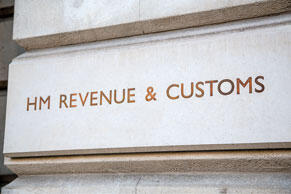
HMRC has acknowledged the ongoing pressure on taxpayers arising from the coronavirus pandemic and the knock-on effect it is having on self-assessment filing. It is estimated that over 5 million tax returns are due to be filed this month ahead of the 31 January deadline. To ease the pressure, HMRC has announced that no automatic penalty for a late return will be issued as long as the filing is made by 28 February. Additionally, no late payment penalty will apply if payment is made in full by 1 April (or the taxpayer agrees a payment plan before that date).
Care is needed where the taxpayer is self-employed - especially if 2020/21 is the first year of trading. Class 2 NI is collected via self-assessment but administered by a separate department. Late payment of the modest liability can put entitlement to certain welfare payments at risk. Taxpayers should contact HMRC to make a separate payment to avoid problems.
Related Topics
-
Deadline to pay Class 1B NI
-
Company owners' personal tax affairs under scrutiny
Company owners are being urged to check their personal tax affairs as a new compliance campaign focuses on transactions between limited companies and the people who control them. Loans, personal expenses and the use of company assets are among the areas attracting attention. Could you have overlooked a tax liability?
-
HMRC speeds up National Insurance refunds
HMRC has confirmed that it is using a new automated process to speed up National Insurance refunds. Where its records suggest that someone may have overpaid, HMRC will write to them asking them to check their employment and contribution details before any refund is processed. Could you be due money back?



 This website uses both its own and third-party cookies to analyze our services and navigation on our website in order to improve its contents (analytical purposes: measure visits and sources of web traffic). The legal basis is the consent of the user, except in the case of basic cookies, which are essential to navigate this website.