
Tax deposit certificates need to be used this year
HMRC is writing to taxpayers who have purchased a certificate of tax deposit (CTD) to remind them that the scheme is closing this year. When do these need to be used by, and what should you do if you can’t use them?
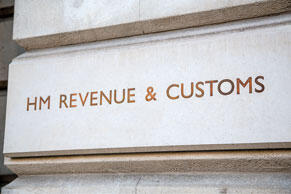
A CTD could previously be purchased as a way to lodge money with HMRC in advance of an actual tax liability and, until 2017, was open to individuals and companies. A CTD was useful where an enquiry was ongoing as a means to save interest on an eventual assessment. The scheme closed from November 2017, but CTDs purchased prior to that can still be used. However, this will cease on 23 November 2023. HMRC is writing to all parties that it believes have unutilised CTDs to remind them that they will not be able to use them after the cut-off date, but where the correct correspondence address is not held by HMRC, CTD holders may miss the reminder letter.
If you hold a CTD but do not receive a letter, you should write to HMRC at the following address:
CTD Team, Floor 6, 1 Atlantic Square, 21 York Street, Glasgow, G2 8JQ
If you cannot utilise your CTD, you should follow HMRC’s guidance to withdraw it promptly. If you have lost a certificate, you will need to contact HMRC urgently at the address above to resolve this.
Related Topics
-
Deadline to pay Class 1B NI
-
Company owners' personal tax affairs under scrutiny
Company owners are being urged to check their personal tax affairs as a new compliance campaign focuses on transactions between limited companies and the people who control them. Loans, personal expenses and the use of company assets are among the areas attracting attention. Could you have overlooked a tax liability?
-
HMRC speeds up National Insurance refunds
HMRC has confirmed that it is using a new automated process to speed up National Insurance refunds. Where its records suggest that someone may have overpaid, HMRC will write to them asking them to check their employment and contribution details before any refund is processed. Could you be due money back?



 This website uses both its own and third-party cookies to analyze our services and navigation on our website in order to improve its contents (analytical purposes: measure visits and sources of web traffic). The legal basis is the consent of the user, except in the case of basic cookies, which are essential to navigate this website.