
Building certificates needed for 0% VAT
If you provide construction services on a new building to be used for a relevant charitable or residential purpose, or sell a new building to the users, your supply will be zero-rated. But what documents must you get?
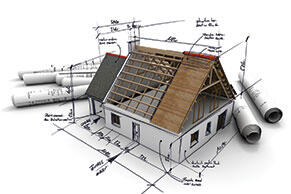
Zero-rated
If your business does work constructing a new building for a charity, or on a new building that will be used for a relevant residential purpose (RRP), such as a home for elderly people or student accommodation, your services will be zero-rated. However, that is not the end of the story.
Certificate
As a condition of zero-rating, you must obtain a signed certificate from the building owner, confirming they will use the new building for a charitable purpose or RRP. A charitable purpose means use by a charity for either a non-business activity or use as a village hall or similar.
A new building used for a business activity by a charity, such as a charity shop or café, will not benefit from zero-rated building services, they will be standard-rated. All work caried out on existing buildings is standard-rated.
Change
The legislation gives HMRC the right to dictate the format of the zero-rated certificates. HMRC has now updated VAT Notice 708 (see The next step ) to confirm that the certificates published in this notice have the force of law. In other words, you should use the template and wording in the notice and not create your own version.
What does it mean?
If you do not tick all the boxes for zero-rating, HMRC officers have the power to treat your supplies as standard-rated and issue an assessment. This would be a major problem because charities and RRP building owners cannot fully claim input tax.
Related Topics
-
HMRC takes aim at side hustles
People with side hustles are the target of a HMRC press release reminding them of their potential tax obligations. Why has this been published now, and what are the key points to remember?
-
Can sale with no goodwill charge still qualify as TOGC?
You are selling an unprofitable part of your business but the sale does not include any charge for goodwill due to trading losses. Can the sale still qualify as the transfer of a going concern and what conditions must you meet?
-
VAT on electricity to be cut
The new Prime Minister has announced a cut to the rate of VAT on electricity from 1 October. What's the full story?



 This website uses both its own and third-party cookies to analyze our services and navigation on our website in order to improve its contents (analytical purposes: measure visits and sources of web traffic). The legal basis is the consent of the user, except in the case of basic cookies, which are essential to navigate this website.