
Grab your electric van grant while you can
One benefit that’s managed to avoid the chop relates to electric vehicles. What’s available and how might it help if you’re in the market for a new commercial vehicle?
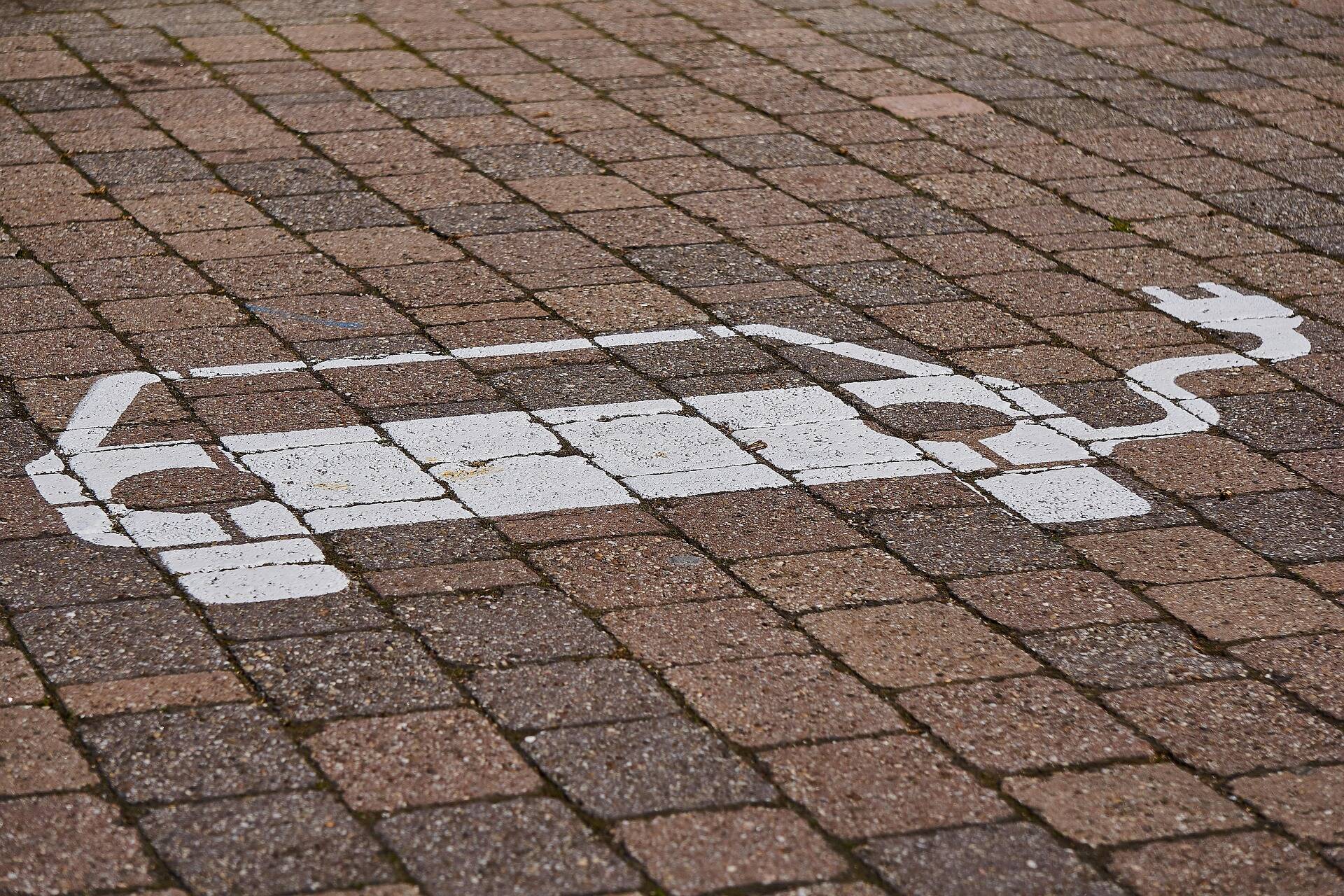
The government has announced that £120m is available to drivers, cabbies and businesses who want to make the switch to electric vehicles. The money comes through the “plug-in van grant”, which has been extended for another twelve months to April 2026. Under the 2024/2025 electric van grant rules, the maximum saving for 3.5-tonne electric vans is £5,000, while the maximum reduction for smaller vans up to 2.5-tonnes is £2,500. This will now be extended to 2025/26. Heavier electric vans such as those with 4.25-tonne ratings and N categorisation continue to qualify for the small truck grant, which offers an incentive of up to £16,000, capped at 20% of the purchase price.
To qualify for the plug-in grant the electrified van must now meet the following standards: 60 miles or more of zero emissions driving range; less than 50g/km CO2 emissions.The plug-in taxi grant, due to run out in April, has not been extended. However, grants of up to £4,000 for the purchase of zero emission cabs are being made available. This is less than the £6,000 available until March 31, 2025. A grant of £500 is available for those purchasing new electric motorbikes.
Related Topics
-
HMRC takes aim at side hustles
People with side hustles are the target of a HMRC press release reminding them of their potential tax obligations. Why has this been published now, and what are the key points to remember?
-
Can sale with no goodwill charge still qualify as TOGC?
You are selling an unprofitable part of your business but the sale does not include any charge for goodwill due to trading losses. Can the sale still qualify as the transfer of a going concern and what conditions must you meet?
-
VAT on electricity to be cut
The new Prime Minister has announced a cut to the rate of VAT on electricity from 1 October. What's the full story?



 This website uses both its own and third-party cookies to analyze our services and navigation on our website in order to improve its contents (analytical purposes: measure visits and sources of web traffic). The legal basis is the consent of the user, except in the case of basic cookies, which are essential to navigate this website.